Baby Bear Embroidery Review for Boutique Apparel
As an embroidery designer who spends most of my days tweaking stitch paths and selecting thread palettes, I am always on the lookout for designs that offer more than just a simple graphic. When browsing Creative Fabrica embroidery collections for my next small batch production, I recently came across a design titled Baby Bear. It is categorized under Teddy Bears, but in the world of boutique apparel, "cute" can sometimes feel generic. The real question is whether this design has the visual weight to stand out on high-quality garments or if it will get lost in the noise of mass-produced merch.
I decided to put this machine embroidery design through its paces conceptually, imagining it as part of a cohesive collection for a handmade brand. Here is my professional review of how Baby Bear might perform on various apparel items and lifestyle products.
First Impressions: Visual Personality and Mood
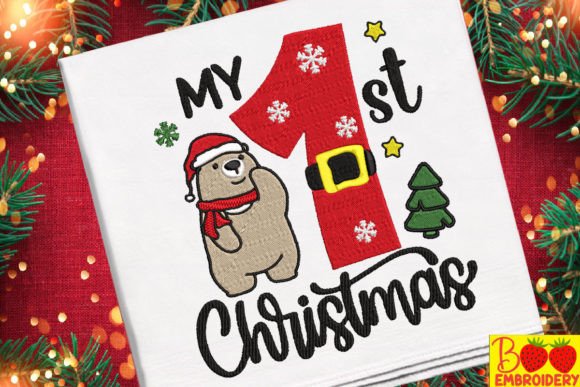
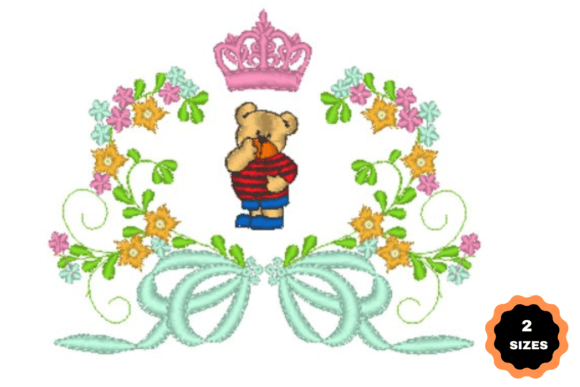
The moment you look at the preview of Baby Bear, the first thing that strikes me is its approachable charm. It does not scream for attention with bold, aggressive lines; instead, it whispers with a soft, playful energy. This makes it incredibly versatile for a wide range of brand identities. Whether your boutique leans towards rustic, feminine, or minimal aesthetics, this design bridges the gap effectively.
From a design judgment perspective, the detail level appears balanced. It is not so sparse that it looks unfinished, nor is it so dense that it feels heavy on the fabric. This balance is crucial for sweatshirt embroidery, where too much density can make the garment stiff and uncomfortable. The stitching mood feels premium yet casual—a perfect combination for modern consumers who want something that looks professionally made but still feels cozy and authentic. For an Etsy seller looking to create a distinct visual identity, this kind of nuanced design helps establish trust and professionalism before the customer even touches the product.
Application on Sweatshirts and Hoodies
Sweatshirts and hoodies are the bread and butter of many small clothing brands, and they present unique challenges for embroidery. The fabric texture is often looped or brushed, which can swallow up fine details. However, Baby Bear seems robust enough to hold its shape against these textures.
Chest Placement and Sleeve Accents
For a classic hoodie design, placing Baby Bear on the left chest offers a subtle, sophisticated look. It works beautifully on neutral tones like heather grey, oatmeal, or soft beige. On pastel hoodies—think lavender, mint, or baby blue—the design pops without clashing, adding a touch of whimsy that appeals heavily to the gift-giving market. I also envision this design shining as a sleeve accent. A smaller repetition of the bear along the cuff or upper arm adds a trendy, layered aesthetic that is very popular in current streetwear-inspired fashion.
Back Designs and Oversized Fits
If you are producing oversized garments, there is ample canvas for creativity. While the standard size may be best for the chest, the design’s clean lines would allow for creative scaling on the back, perhaps paired with minimal typography. The key here is ensuring the hoop size accommodates any necessary resizing without distorting the bear’s proportions. This approach elevates the finished product from a basic t-shirt to a statement piece, increasing perceived value and encouraging social media sharing.
Versatility Beyond Apparel
One of the strongest selling points of this digital embroidery file is its adaptability beyond just clothing. In today’s market, successful brands often expand into lifestyle accessories to boost average order value.
- Tote Bags: Canvas tote bags are a staple for craft fairs and online shops. Baby Bear embroidered on a natural cotton tote creates an instant impulse buy. It pairs well with reusable shopping trends and eco-conscious branding.
- Denim Jackets: For a bolder look, applying this design to the back of a denim jacket adds a touch of softness to rugged fabric. The contrast between the sturdy denim and the cute bear creates a visually interesting juxtaposition.
- Printable Mockups: Even if you do not have immediate access to embroidery equipment, having this design allows you to create high-quality printable mockups. You can showcase potential customers what the custom apparel could look like, helping to drive pre-orders and validate demand before committing to bulk production.
Where to Use the Design Carefully
While Baby Bear is charming, no single design is perfect for every application. As a designer, I advise caution in specific scenarios to ensure the highest quality outcome.
Avoid using this design for tiny lettering or extremely small chest placements if the original file resolution is low. Small details can become muddy when stitched on stretchy fabrics like jersey knit used for t-shirts. If you plan to use it on dark garments, pay close attention to thread color contrast. A light-colored bear on a black hoodie might lack definition unless you use a high-contrast thread or add a backing stabilizer that shows through slightly for a vintage effect.
Additionally, be mindful of dense stitch areas. If the design relies heavily on satin stitches, testing on scrap fabric is non-negotiable. Fleece and ribbed fabric can pucker if the stitch density is too high or if the wrong stabilizer is chosen. Always inspect the stitch density before running large batches. Curved surfaces, such as the shoulders of a t-shirt, require careful hooping to prevent distortion, so flat panels are safer bets for beginners.
Impact on Brand Identity and Value
Incorporating a well-executed design like Baby Bear into your inventory does more than just add a product; it strengthens your brand identity. Consistent use of high-quality embroidery signals to buyers that you care about craftsmanship. This visual consistency builds customer engagement and recognition. When a buyer sees your logo or signature style on a tote bag, then later sees a matching hoodie, they begin to trust your boutique brand. It transforms a commodity item into a desirable handmade product.
Practical Designer Notes for Production
Before you rush to print or embroider, keep these practical steps in mind to avoid costly mistakes:
- Test on Scrap Fabric: Always run a test stitch on the exact fabric type you intend to use. This reveals how the threads interact with the material and highlights any potential puckering.
- Check Stabilizer Choice: The right stabilizer is invisible until something goes wrong. Use cut-away stabilizer for stretchy knits and tear-away for wovens, but always verify based on your specific garment weight.
- Review Thread Colors: Ensure the thread colors in the file match your physical stock. Screen colors can differ significantly from actual polyester or rayon threads.
- Confirm Hoop Size: Verify that the design fits within your machine’s maximum hoop size, especially if you need to resize it for different garments.
- Inspect Licensing: Finally, check the Creative Fabrica product details and licensing terms carefully. Ensure you have the correct commercial rights to sell finished apparel featuring this design. Understanding these terms protects your small shop product business from legal issues.
Overall, Baby Bear is a strong contender for anyone looking to add a touch of warmth and personality to their embroidery file library. It is not just a teddy bear; it is a tool for creating emotional connections with your customers through thoughtful, well-executed custom apparel.