Elegant Green Blue Flowers Review
As a designer who spends more time than I care to admit staring at stitch charts and testing fabric samples, I have learned to trust my gut before I ever thread the needle. When a new machine embroidery design lands in my inbox, I don’t just look at the preview image; I imagine it on actual products. I think about how it will sit against different textures, how customers will perceive its quality, and whether it adds enough value to justify the labor of stitching it out.
This is exactly how I approached Elegant Green Blue Flowers. The description promises something high-quality, fun, and easy to stitch, which is often code for "versatile but potentially simple." My goal here is to strip away the marketing fluff and give you a practical evaluation of this Single Flowers category piece. Is it worth adding to your library for your Etsy shop? Will it hold up as a custom apparel accent? Let’s dive into the details.
First Impressions and Visual Personality
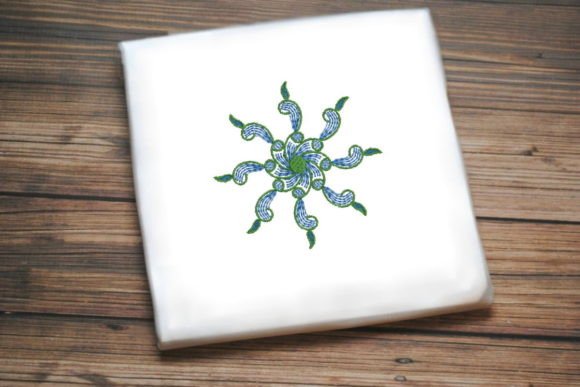
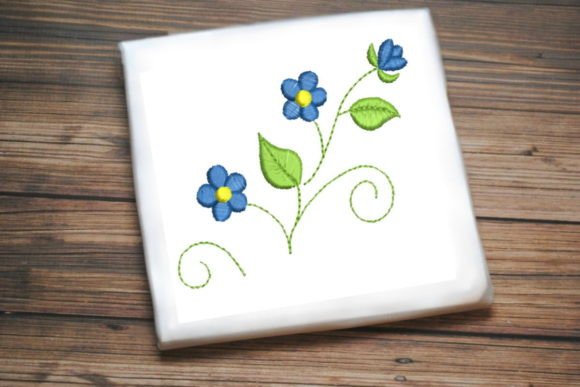
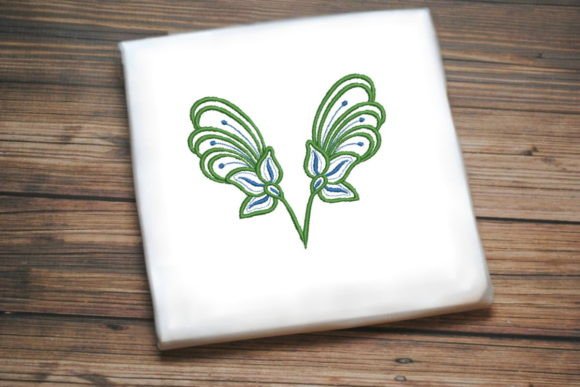
The name itself sets a specific tone: sophisticated yet fresh. From a design perspective, the combination of green and blue hues suggests a botanical theme that leans towards nature-inspired elegance rather than bold, pop-art vibrancy. In the world of embroidery files, color choice is half the battle. A design might have perfect stitch placement, but if the thread colors clash with the base fabric, the result looks amateurish.
Elegant Green Blue Flowers appears to rely on a harmonious palette that likely translates well to soft pastels or crisp whites. The visual personality feels calm and refined. It doesn’t scream for attention; instead, it invites the viewer to lean in closer. This subtlety is crucial for small business merchandise where you want the product to feel premium without being overwhelming. For a crafter looking to create personalized gifts, this mood works exceptionally well because it feels thoughtful and curated.
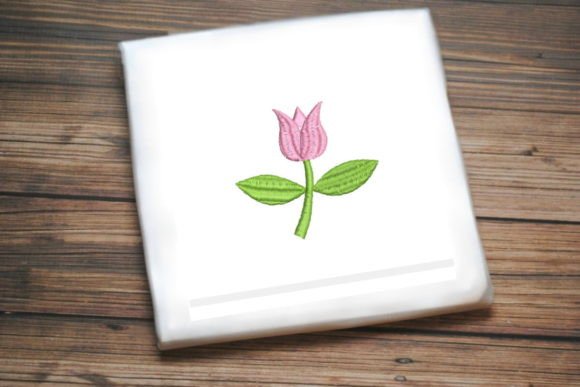
The layout seems balanced, typical of a standalone floral motif. This makes it incredibly flexible. It isn’t tied to a complex narrative scene but stands alone as a decorative element. This flexibility is what makes it a strong candidate for various applications, from tote bag designs to delicate baby embroidery.
Real-World Application Scenarios
Let’s talk about where this design actually shines. I recently had a client request a series of tote bags for a local botanical garden gift shop. They wanted something that felt organic but not cluttered. Elegant Green Blue Flowers would have been an ideal candidate for this. Stitched onto a sturdy canvas or a natural linen blend, the green and blue tones would pop against the neutral background, creating a clean, professional look that aligns with boutique branding.
Another scenario that comes to mind is holiday gifting. As we approach seasons where people are buying holiday embroidery projects, this design offers a versatile aesthetic. It isn’t strictly Christmas or summer-specific. Imagine this stitched onto a high-quality kitchen towel or a cozy throw pillow cover. The elegance of the flower pattern elevates a simple household item into a gift-worthy product. For an Etsy seller, listing a set of embroidered tea towels featuring this single flower motif can attract buyers looking for understated home decor.
I also see potential in the realm of apparel decorators. While large all-over prints are trendy, there is a growing market for subtle, localized embroidery. Placing Elegant Green Blue Flowers on the chest area of a sweatshirt or near the cuff of a long-sleeve tee creates a touch of sophistication. It works particularly well for custom apparel aimed at a feminine audience that prefers minimalism over loud graphics. The design’s simplicity ensures it won’t date quickly, keeping your inventory relevant longer.
Performance on Different Fabrics
One of the biggest challenges in commercial embroidery is predicting how a design will behave on non-standard fabrics. This design claims to look good on "any fabric," but as any seasoned maker knows, fabric texture plays a massive role. On smooth cottons and linens, the stitches will likely lay flat and crisp. However, on textured fabrics like chunky knits or boucle, the definition of the flower petals might get lost. If you are planning to use this on a thick wool blanket or a heavy denim jacket, I strongly advise running a test first. The contrast between the thread and the fabric depth needs to be sufficient to maintain the design’s integrity.
Where Caution Is Required
No design is universally perfect, and Elegant Green Blue Flowers has areas where you need to exercise judgment. First, consider the scale. Because it is a single flower motif, it may lose its impact if scaled down too small. Trying to fit intricate floral details into a tiny hoop size can result in muddy stitching where individual petals blur together. Always check the recommended hoop size and ensure your final product allows for adequate space.
Furthermore, be mindful of stretchy fabrics. If you plan to embroider this on jersey knit for a t-shirt or leggings, you must use a stabilizer that provides enough support to prevent puckering. Without proper stabilization, the tension of the fill stitch or satin stitch sections could distort the fabric, ruining the elegant line work. Similarly, on dark fabrics, the lightness of the green and blue threads might not provide enough contrast unless you use a backing or underlay that boosts visibility.
Another critical consideration is durability. If this design is intended for items that will undergo frequent washing, such as baby clothes or aprons, you need to ensure the stitch density is appropriate. Too loose, and the threads will snag; too dense, and the fabric becomes stiff and uncomfortable. Inspect the stitch density closely. Designs with excessive overlapping satin stitches can sometimes feel scratchy against the skin, which is a major negative for baby embroidery products.
Practical Designer Notes for Implementation
Before you commit to using Elegant Green Blue Flowers in a production run, follow these practical steps to ensure success:
- Test on Scrap Fabric: Never assume a design will work perfectly on your target material. Stitch it out on the exact fabric you plan to sell or use. Check for color accuracy and stitch clarity.
- Check Thread Contrast: View your mockup in black and white. Does the design still have clear definition? If the greens and blues blend into the background, you may need to adjust the thread colors or add a contrasting outline.
- Inspect Small Details: Zoom in on the digital file. Are there tiny corners or fine lines that might break during stitching? Simplifying these elements digitally before stitching can save you hours of repair work.
- Verify Licensing: If you are an Etsy seller or running a craft business, confirm the licensing terms. Some digital embroidery files are for personal use only. Ensure you have the right to sell finished products made with this design to avoid legal issues.
- Use Proper Stabilizer: Match your stabilizer to the fabric weight. A tear-away might work for lightweight cottons, but a cut-away is often necessary for stable, long-lasting results on heavier materials.
Final Verdict on Value and Appeal
Ultimately, Elegant Green Blue Flowers succeeds by being unpretentious yet polished. It doesn’t try to be everything to everyone, which is its strength. It fills a specific niche for designers and makers who want to offer products that feel gentle, natural, and refined. For the creative entrepreneur, this means a design that pairs well with a wide variety of base products, from pillow covers to aprons.
The visual appeal lies in its restraint. In a market flooded with loud, chaotic patterns, a single, elegantly rendered flower stands out by offering breathing room. It suggests a brand that cares about aesthetics and quality. When stitched correctly, it enhances the perceived value of the finished product, making it easier to justify price points in a competitive marketplace.
However, its success hinges on execution. It requires careful attention to fabric choice, stabilizer selection, and thread contrast. If you treat it as a flexible asset rather than a rigid solution, it can become a staple in your embroidery project workflow. It is a reliable, attractive option for anyone looking to add a touch of botanical elegance to their handmade goods. Just remember: always test, always inspect, and always prioritize the user experience when deciding how to showcase this beautiful design.