Grace Retro Embroidery Review
As an embroidery designer who spends hours tweaking stitch paths and testing thread tensions, I am always looking for designs that balance aesthetic charm with technical reliability. When I came across Grace Retro on Creative Fabrica, I was immediately drawn to the visual promise of its title. The description hints at a blend of "grace and beauty" with a colorful retro vibe, which suggests a design that could work beautifully in both personal projects and commercial handmade goods. But does it hold up under the needle? In this review, I will walk you through my honest evaluation of this machine embroidery design, focusing on how it performs in real-world applications like custom apparel, tote bags, and boutique merchandise.
First Impressions: Visual Mood and Design Personality
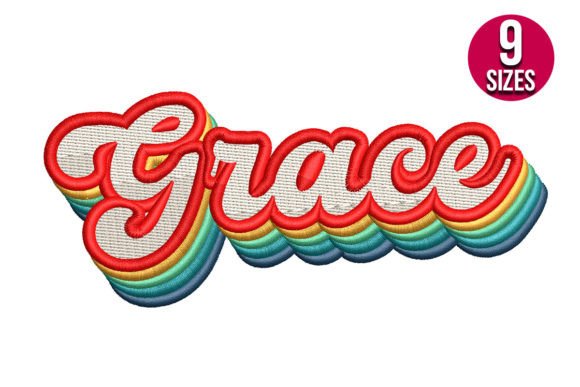
The moment you open the digital preview of Grace Retro, the retro aesthetic is unmistakable. It carries a nostalgic warmth that fits perfectly with current trends in handmade decor and vintage-inspired fashion. The design likely utilizes a mix of decorative elements that evoke a sense of timeless elegance, making it versatile enough for various themes. For designers specializing in embroidery file assets, the visual hierarchy is crucial, and Grace Retro appears to offer a balanced composition that draws the eye without overwhelming the fabric.
What stands out is the potential for color play. A "colorful retro" palette suggests that this design can pop against neutral backgrounds or blend softly with pastel tones. This makes it an excellent candidate for personalized gift items, where the emotional connection between the recipient and the unique design is key. Whether intended for a nursery wall hanging or a stylish tote bag design, the visual appeal is strong enough to drive customer interest on platforms like Etsy.
Technical Performance in Real Projects
Visuals are only half the battle; the true test of any machine embroidery design lies in its execution. When considering Grace Retro for production, several technical factors come into play. First, we must look at the stitch density. Designs with intricate retro details often require careful attention to stitch density to prevent puckering, especially on lighter fabrics. If the design includes dense fill areas, ensuring proper stabilization is non-negotiable.
The use of different stitch types is another critical aspect. A well-executed retro design typically combines satin stitch for clean outlines and lettering, fill stitch for solid color blocks, and perhaps some running stitch for delicate texture. If Grace Retro incorporates these elements effectively, it will render beautifully on a variety of surfaces. However, if the design relies heavily on tiny lettering or very fine lines, it may struggle on textured fabrics or curved surfaces like caps, where precision can be lost.
Material and Surface Compatibility
I often test designs on a range of materials before committing them to a final product. Here is how Grace Retro might perform across different substrates:
- Cotton and Linen: These natural fibers provide a stable canvas for most embroidery file formats. Grace Retro should stitch cleanly here, allowing the colors to shine without distortion.
- Fleece and Sweatshirts: For sweatshirt embroidery, a stable cut-away stabilizer is essential. The retro style works wonderfully on heavyweight cotton blends, offering a cozy yet chic aesthetic.
- Totes and Bags: Canvas and jute can be tricky due to their weave. A water-soluble or tear-away stabilizer might be needed depending on the fabric weight. The design’s bold lines would look striking on a plain canvas tote bag design.
- Baby Items: For baby blankets or burp cloths, softness is paramount. Ensure the back of the stitching is not too stiff. Grace Retro’s gentle theme makes it ideal for nursery decor, but always check for scratchy threads.
Commercial Viability and Product Value
For Etsy sellers and small business owners, the question is always: will this sell? Grace Retro has high commercial potential because it taps into two powerful markets: home decor and personalized gifts. Its retro charm allows it to fit seamlessly into bohemian, farmhouse, or mid-century modern branding.
Consider the possibilities for commercial embroidery. You could create a line of kitchen towels featuring Grace Retro paired with complementary phrases. Or, use it as the focal point for embroidered patch collections sold separately for denim jackets and backpacks. The design’s versatility means it can be scaled and adapted for various products, from pillow covers to aprons.
Furthermore, the aesthetic lends itself well to printable mockup creation. Even if you do not have physical samples ready, high-quality digital representations of Grace Retro on various garments can help you gauge market interest before investing in inventory. This is a smart strategy for digital product sellers and those testing new product lines.
Practical Tips for Best Results
To ensure your finished product meets professional standards, follow these practical steps when working with Grace Retro:
- Test on Scrap Fabric: Always run a test stitch-out on the same type of fabric you plan to use. This helps you identify any issues with tension or alignment early.
- Check Thread Contrast: Verify that your chosen thread colors provide enough contrast against the base fabric. Retro palettes can sometimes get lost on similar-toned materials.
- Confirm Hoop Size: Before starting, check the hoop size requirements listed on the Creative Fabrica product page. Ensuring your machine hoop accommodates the design prevents trimming errors.
- Use Proper Stabilizer: Match your stabilizer to your fabric. Stretchy knits need cut-away, while wovens can often use tear-away. This prevents distortion during stitching.
- Inspect Small Details: After stitching, zoom in to check that small details are crisp. If any areas look muddy, you may need to adjust the thread tension or trim loose threads carefully.
Licensing and Final Thoughts
Before using Grace Retro for any handmade product intended for sale, it is vital to review the licensing terms provided by Creative Fabrica. While many designs allow for commercial use of the finished goods, restrictions may apply to reselling the digital files themselves. Always confirm the specific design assets license to protect your business.
In conclusion, Grace Retro appears to be a charming and technically sound addition to any embroiderer’s library. Its retro aesthetic offers broad appeal, making it suitable for everything from intimate personal gifts to large-scale custom apparel orders. By paying attention to fabric choice, stabilization, and thread selection, you can transform this digital preview into a stunning finished product that customers will love. If you are looking to add a touch of graceful nostalgia to your creative portfolio, this design is definitely worth downloading and experimenting with.