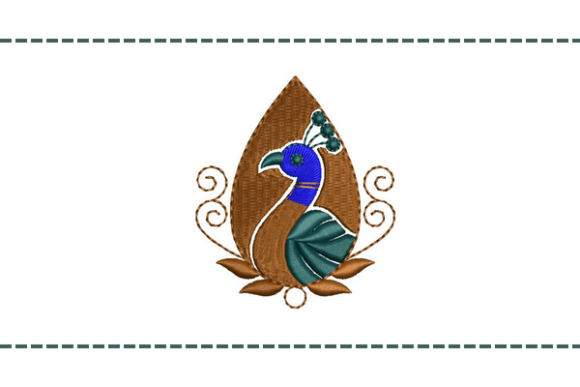
Peacock Elements: A Designer’s Review for Seasonal Collections
As an embroidery designer who spends countless hours evaluating digital files before they hit the market, I am always looking for designs that bridge the gap between artistic expression and commercial viability. When I first laid eyes on Peacock Elements, I immediately recognized its potential to become a staple in my seasonal product lineup. This isn't just another bird motif; it is a versatile piece that carries an inherent sense of elegance, mystery, and festive charm. For Etsy sellers, small business owners, and crafters planning their holiday inventory, understanding the nuances of a design like this is crucial for maximizing sales during peak shopping periods.
The First Impression: Mood and Aesthetic Appeal
The initial reaction to Peacock Elements is one of refined warmth. The design captures the majestic essence of the peacock while maintaining a cozy, artistic feel that resonates with current home decor trends. It strikes a perfect balance between being ornate enough for premium gift items and simple enough for everyday wearables. The intricate feather details suggest luxury, making it ideal for customers seeking personalized gifts that feel special and thoughtful.
From a branding perspective, this design works across multiple aesthetics. It can be styled as rustic when paired with earthy tones, modern when stitched in monochrome, or playful with bright, vibrant threads. This adaptability is why it stands out among other Birds category designs. It evokes emotions of renewal and beauty, which aligns perfectly with spring celebrations, summer gatherings, and even the sophisticated vibe of winter holidays when paired with metallic accents.
Strategic Product Applications for Holiday Sales
When building a collection for limited-time drops or holiday markets, versatility is key. Peacock Elements offers numerous opportunities for high-margin products. Here is how I would strategically deploy this machine embroidery design across different categories:
- Home Decor Essentials: The description suggests trying it on decorative pillows and bedsheets. I recommend focusing on throw pillow covers for autumn and winter collections. The large, sweeping lines of the peacock feathers fill the space beautifully, creating a statement piece that elevates any living room. Additionally, kitchen towel embroidery featuring smaller iterations of the element can serve as affordable impulse buys at craft fairs.
- Apparel and Wearables: For sweatshirt embroidery, placing the design on the back yoke or centered on the chest creates a bold look. It also translates well to tote bag design projects, appealing to shoppers looking for unique, handmade gifts. Embroidered patches using this motif can be sold as accessories for denim jackets or backpacks, adding a touch of whimsy.
- Gift-Ready Items: Personalized gifts are a huge driver for small shop products. Imagine embroidered aprons for holiday hosts or baby items like muslin blankets and bibs. The soft curves of the feathers make it suitable for nursery decor, tapping into the sentimental market of new parents.
- Seasonal Accessories: Consider using this design for table linens during dinner parties or as ornaments for the holidays. The spiritual and romantic undertones of the peacock make it appropriate for weddings and engagements, expanding its utility beyond just standard holidays.
Performance in Real-World Selling Scenarios
In the competitive landscape of online marketplaces, visual recognition is everything. Peacock Elements has strong visual hierarchy, meaning it reads clearly even in thumbnail images on social media previews. This is critical for driving click-through rates on platforms like Pinterest and Instagram.
For Etsy listings, the design’s multi-stitch nature allows for rich color storytelling. You can create product mockups that showcase the design in various thread colors, demonstrating its flexibility to buyers. This helps build customer trust by showing exactly what they can expect from a digital embroidery file. Furthermore, because the design feels premium, it supports higher price points for finished goods, improving your profit margins.
During holiday shopping periods, engagement spikes for items that feel both personal and polished. Using this design in gift bundles—such as a matching set of a mug cozy and a placemat—can increase average order value. The cohesive aesthetic ties the bundle together, making it an attractive option for last-minute shoppers.
Where to Exercise Caution
While Peacock Elements is highly adaptable, there are specific scenarios where it may not perform optimally. Designers must be mindful of technical limitations:
- Small Hoop Sizes: If the design includes too many layered details, attempting to stitch it in a very small hoop may result in lost definition. Always check the hoop size requirements before listing it as a mini-accessory design.
- Fabric Texture and Thickness: Thick towels or heavily textured fabrics can obscure fine details. For kitchen towel embroidery, ensure the fabric is pre-washed and stabilized properly to prevent puckering.
- Stretchy Garments: While great for sweatshirts, be cautious with stretchy knits unless you use adequate stabilizer. Without proper support, the stitch density might distort the garment over time.
- Metallic Threads: Although the design looks stunning in metallics, these threads require slower stitching speeds and careful tension adjustments. They may not be suitable for high-volume production runs where speed is essential.
Practical Designer Notes for Production
To ensure your final product matches the quality of the digital file, follow these essential steps:
- Thread Color Testing: Test thread colors on both light and dark fabrics. The contrast level will drastically change the mood of the piece. Warm golds and deep blues work exceptionally well for a luxurious feel, while pastels offer a softer, more nostalgic look.
- Stabilizer Selection: Choose the right stabilizer based on the fabric type. Cut-away stabilizers are generally recommended for woven home decor items to provide long-term stability, while tear-away may suffice for temporary projects.
- Review Small Details: After stitching, inspect the design closely. Ensure that any tiny lettering or intricate feather tips have stitched cleanly. If details appear muddy, consider adjusting the underlay stitches or reducing the stitch density slightly.
- Create Realistic Mockups: Use high-quality printable mockups to visualize the design on actual products. This helps in planning matching color palettes and ensures consistency across your brand’s social media presence.
- Confirm Commercial Licensing: Before selling finished seasonal products, verify the commercial embroidery license terms. Most reputable designers allow the sale of physical items made from their files, but restrictions may apply to reselling the digital file itself.
Final Thoughts on Seasonal Appeal
Incorporating Peacock Elements into your holiday collection is a strategic move that enhances brand consistency and emotional connection with buyers. Its ability to convey elegance, coziness, and artistic flair makes it a valuable asset for any embroidery file library. By carefully considering fabric choices, stabilization techniques, and marketing presentations, you can transform this design into best-selling items that resonate with gift-givers and decor enthusiasts alike.
Remember to check the specific technical details of the file, such as exact stitch count and format compatibility, before beginning production. With proper preparation, this design can elevate your offerings, helping you stand out in a crowded marketplace and delight customers with high-quality, handcrafted beauty.