Review: Abstract Decorative Flower for Business Merch
As an experienced embroidery designer who has spent years translating visual concepts into stitch patterns, I approach every new embroidery file with a critical eye. When evaluating designs for small business merchandise, branded patches, and custom apparel, the goal is never just aesthetic appeal—it is about viability, durability, and brand alignment. Today, I am reviewing the Abstract Decorative Flower, a design categorized under Single Flowers that promises to be fun, elegant, and easy to stitch. But does it hold up when applied to real-world commercial applications like staff uniforms, boutique tote bags, or high-volume embroidered patches? Let’s dive into the practical realities of using this design for your brand.
First Impressions: Visual Personality and Brand Fit
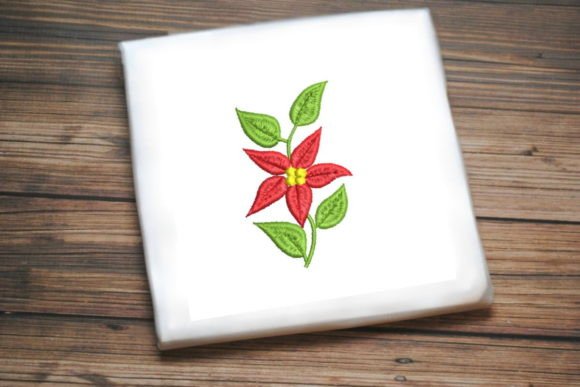
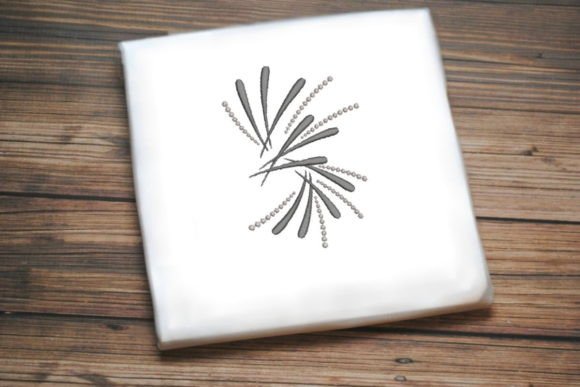
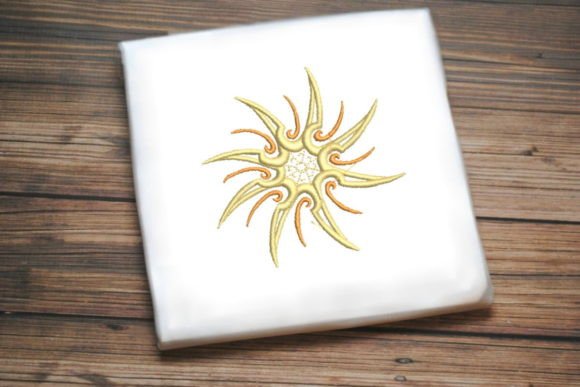
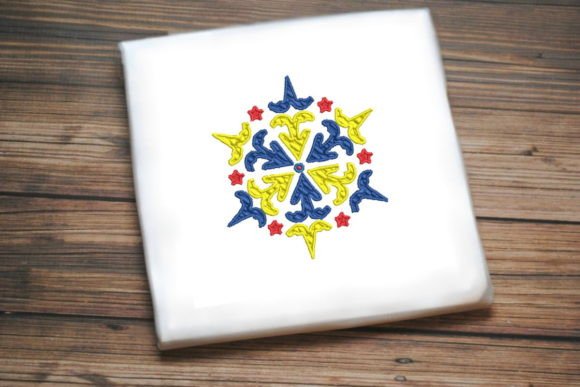
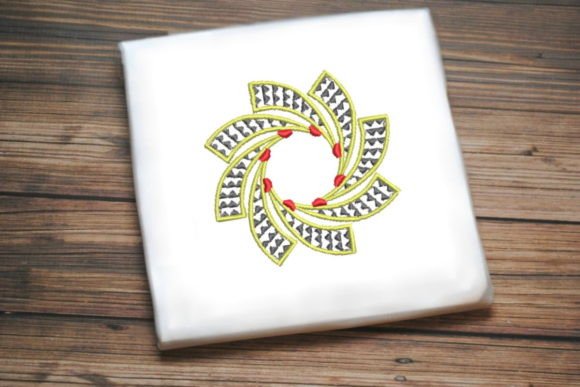
The title "Abstract Decorative Flower" suggests a balance between organic form and stylized simplicity. From a design perspective, abstract floral motifs often bridge the gap between rustic charm and modern minimalism. For a small café, handmade shop, or creative studio, this duality is valuable. It feels friendly yet professional, avoiding the overly literal look of traditional rose bouquets while retaining the elegance associated with florals.
When I first visualize this design on a dark navy work shirt or a natural cotton canvas tote, I imagine it reading as premium and polished. The description notes it looks "gorgeous when stitched onto any fabric," which implies a strong structural integrity in the stitch pattern itself. However, as a designer, I know that "any fabric" is a broad claim. The true test lies in how the abstract shapes translate through thread. Does it feel bold enough to stand out from a distance, or is it too delicate for mass production? For brands aiming for a handmade product aesthetic, this design likely hits the sweet spot—decorative without being cluttered.
Real-World Application: Where This Design Shines
In the context of small business merch, versatility is king. Here is how Abstract Decorative Flower performs across key commercial categories:
- Embroidered Patches: This is perhaps the strongest use case. Abstract floral designs often have clean outer edges that make excellent patch boundaries. Whether used as a logo accent on a denim jacket or a standalone badge on a backpack, the design’s elegance elevates the perceived value of the item. It works particularly well for craft businesses looking to create collectible assets.
- Apron Embroidery: For bakeries, florists, or local coffee shops, the apron is a mobile billboard. Placing this design on the chest pocket or centered on the bib adds a touch of sophistication. Because the description highlights it as "easy to stitch," production times remain efficient, allowing for higher output during busy seasons.
- Tote Bag Design: Canvas totes are staples for Etsy sellers and event merch. The abstract nature of the flower allows it to sit comfortably on large empty spaces without overwhelming the bag. It pairs beautifully with simple typography, creating a cohesive brand identity that feels curated rather than generic.
- Cap Embroidery: Front panels of caps require designs that read clearly at small scales. If the Abstract Decorative Flower maintains its definition when scaled down, it serves as a subtle yet recognizable mark of quality. It avoids the "cluttered" look that can plague detailed botanicals on curved surfaces.
- Product Packaging Accents: Beyond apparel, consider stitching this onto hang tags or garment labels. A tiny, elegant flower adds a tactile element to packaging, enhancing the unboxing experience for customers and reinforcing the handmade presentation of your goods.
Strategic Caution: Where to Exercise Care
No design is flawless, and as a professional reviewer, I must highlight areas where Abstract Decorative Flower might present challenges depending on execution.
First, consider stitch density. Abstract designs sometimes rely on fill stitches to create texture. If the density is too high, the fabric may pucker, especially on lightweight materials like thin tees or sheer scarves. Conversely, if the density is too low, the underlying fabric may show through, ruining the elegant finish. Always inspect the spacing between elements to ensure they do not merge visually at smaller sizes.
Second, evaluate performance on textured fabric. While the description claims compatibility with any fabric, textured weaves like heavy tweed or ribbed knits can obscure fine details. On such materials, the abstract lines might lose their crispness. Similarly, on dark uniforms, thread color contrast becomes paramount. If the design relies on subtle tonal variations, it may disappear against black or deep navy backgrounds unless specific metallic or high-contrast threads are used.
Finally, be cautious with extremely small patch sizes. If the abstract elements are intricate, scaling the design below one inch can result in a muddy blob rather than a distinct flower. Test the design at your intended final size before committing to bulk production.
Impact on Brand Identity and Customer Trust
Choosing the right digital embroidery file is a strategic decision that influences customer perception. High-quality embroidery signals attention to detail and pride in craftsmanship. When a customer sees Abstract Decorative Flower stitched neatly onto a product, it subconsciously communicates professionalism and reliability.
This design supports visual consistency across diverse product lines. Whether it appears on a ceramic mug sleeve, a woven hat, or a paper bag handle, the abstract floral motif remains recognizable. This repetition builds brand recognition over time. Furthermore, the "fun and easy" nature of the design makes it accessible for community-focused brands, fostering engagement by making the merchandise feel approachable and warm rather than corporate or cold.
Practical Designer Notes for Production
Before integrating Abstract Decorative Flower into your commercial workflow, follow these essential steps to ensure a successful outcome:
- Test in Black and White: Convert the design to monochrome to check its structural integrity. If the shape holds up without color, it will likely embroider cleanly regardless of thread choice.
- Check Hoop Size and Stability: Confirm the recommended hoop size for the design. Ensure you have the correct stabilizer (cut-away for stretchy fabrics, tear-away for wovens) to prevent distortion during stitching.
- Thread Color Contrast: Review thread options carefully. Abstract designs often benefit from tonal threading for a subtle look or high-contrast colors for pop. Avoid colors that blend too closely with the base fabric unless intentional.
- Create a Printable Mockup: Before stitching, generate a printable mockup to visualize the design on actual products. This helps clients approve the placement and scale, reducing costly errors.
- Compare Against Other Assets: Place the design beside your existing logo or other design assets to ensure visual harmony. Does it complement your brand palette, or does it clash?
- Confirm Commercial Licensing: Most importantly, verify the licensing terms. Ensure you have the right to use this machine embroidery design for resale items. Unauthorized commercial use can lead to legal issues.
In conclusion, Abstract Decorative Flower is a versatile and elegant addition to any embroidery library. Its blend of abstract artistry and functional simplicity makes it ideal for small business owners seeking to elevate their custom apparel and branded goods. By paying close attention to fabric selection, stitch density, and proper stabilization, you can transform this digital file into a tangible asset that drives customer trust and boosts your brand’s professional image.