Review: Medical Design Embroidery File
As an embroidery designer who spends hours digitizing, testing, and refining patterns for both personal projects and commercial clients, I am always on the lookout for designs that balance aesthetic appeal with technical feasibility. When browsing Creative Fabrica embroidery collections, it is easy to get overwhelmed by volume. However, when a product like Medical Design catches my eye, I take a closer look at how it translates from screen to fabric. This review is based on evaluating this file for potential use in real-world handmade products, including custom apparel, gifts, and boutique merchandise.
First Impressions and Visual Mood
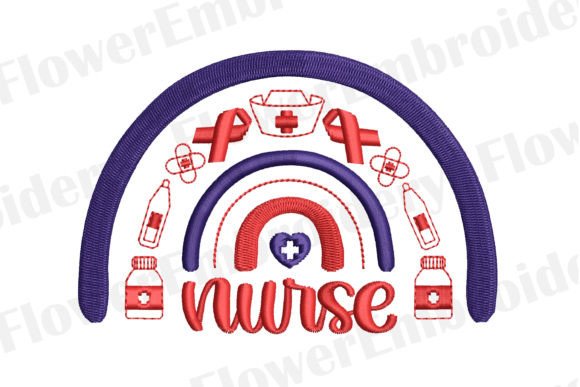
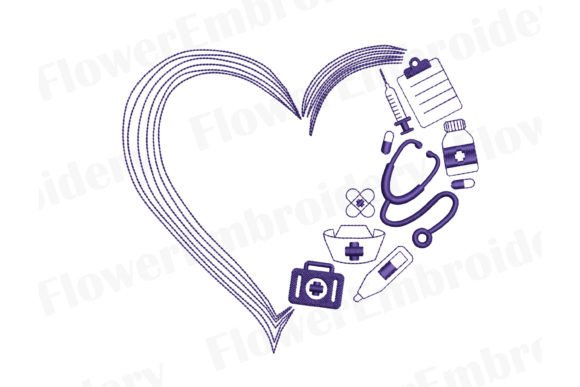
The moment you open the preview of Medical Design, the intent is clear. It speaks directly to those who love medicine and sewing, offering a visual language that resonates with healthcare professionals, nursing students, and medical enthusiasts. The design carries a mood that is both professional and decorative. It does not feel cluttered; instead, it offers a clean silhouette that suggests precision—a trait highly valued in the medical field.
From a design perspective, the layout appears to utilize a mix of decorative elements that could work well as an applique design or a standard multi-color machine embroidery piece. The visual hierarchy seems strong, meaning the focal points are distinct. For a handmade product intended for scrubs, tote bags, or sweatshirts, this clarity is crucial. Buyers want to see the theme immediately without squinting at tiny details. The design’s personality feels modern yet timeless, making it suitable for long-term wear rather than just a fleeting trend.
Real-World Application: Where Does It Fit?
In my experience, the versatility of an embroidery file determines its value to a small business owner or crafter. Medical Design fits naturally into several high-demand categories:
- Custom Apparel: This is perhaps the most obvious application. Nursing scrubs, lab coats, and casual wear for medical staff often feature personalized embroidery. A design like this adds a layer of pride and identity to the garment.
- Tote Bag Design: Canvas totes are staples for nurses and doctors who carry stethoscopes, notebooks, and snacks. Adding Medical Design here creates a functional and stylish accessory.
- Sweatshirt Embroidery: For nursing students or new graduates, a cozy sweatshirt with this motif makes for a perfect graduation gift or self-care item.
- Kitchen Towels and Aprons: If the design includes playful elements, it can transition well into home decor, appealing to healthcare workers who enjoy cooking.
- Embroidered Patch: Many users convert these files into patches for caps or backpacks, adding a rugged, durable touch to their gear.
Additionally, this file is excellent for creating printable mockups. As a digital seller, having a high-quality base design allows you to visualize how the final product will look before cutting fabric, saving time and material costs.
Technical Considerations and Stitch Analysis
While the visual appeal is strong, any experienced embroiderer knows that the devil is in the details. Before committing to a production run, we must consider the technical execution of the machine embroidery design.
Stitch Density and Detail
The effectiveness of Medical Design depends heavily on its stitch density. If the design relies too heavily on dense fill stitches, it may become stiff and uncomfortable, especially on thin scrub fabrics. Conversely, if it uses too much running stitch without adequate backing, it might lack definition. Ideally, a balanced approach using satin stitch for outlines and lighter fills for backgrounds ensures comfort and durability.
I also pay close attention to tiny lettering or fine lines. In the medical field, text is often important (e.g., "Nurse," "Doctor," or specific department names). If Medical Design includes such text, it must be legible after stitching. Small details can get lost if the hoop size is too large relative to the design area, or if the thread tension is off.
Hoop Size and Placement
The hoop size compatibility is another critical factor. A design that requires a 5x7 inch hoop might be difficult to place on certain curved surfaces, like the front of a baseball cap or the chest of a toddler’s onesie. However, for larger items like aprons, pillow covers, or standard tote bags, a medium-sized hoop is usually sufficient. Always check the specific dimensions provided on the Creative Fabrica product page to ensure it fits your project requirements.
Fabric and Stabilizer Choices
To achieve the best results with Medical Design, fabric choice matters immensely. Scrub tops are typically made of polyester-cotton blends, which can be slippery. Using a proper stabilizer—such as cut-away stabilizer for woven fabrics or tear-away for stable knits—is essential to prevent puckering. For stretchy materials, a water-soluble topping can help maintain the sharpness of the satin stitch edges.
Thread color contrast is equally important. On dark fabrics, light threads may require multiple passes or a different thread weight to appear vibrant. Always compare light and dark fabric mockups to ensure the design remains visible and impactful regardless of the garment color.
Impact on Product Value and Brand Trust
Using a well-executed embroidery file like Medical Design directly influences buyer trust and perceived value. In the world of commercial embroidery, customers are willing to pay a premium for items that look professionally finished. A design that stitches cleanly, with no loose threads or distorted shapes, signals quality.
Furthermore, the thematic relevance of the design enhances product photography. A medical-themed embroidery on a neatly folded scrub top or a styled tote bag tells a story. It connects emotionally with the buyer, whether they are purchasing a gift for a loved one or investing in their own professional wardrobe. This emotional connection drives engagement and repeat purchases for small business owners and Etsy sellers.
Practical Tips for Success
To ensure that Medical Design performs well in your final finished product, follow these practical steps:
- Test on Scrap Fabric: Never go straight to the final garment. Test the design on a scrap piece of the same fabric type to check for tension issues and fabric distortion.
- Inspect Small Details: Zoom in on the stitched test. Are the curves smooth? Is the text readable? If details are muddy, consider simplifying the design or adjusting the digitization settings.
- Confirm Licensing: Before selling any items, carefully review the license terms on the Creative Fabrica product page. Ensure you have the right to sell physical goods made from the digital embroidery file.
- Choose Quality Threads: Use high-quality rayon or polyester threads to enhance the sheen and durability of the design. Cheap threads can break easily and detract from the overall look.
Final Thoughts
Medical Design appears to be a versatile and visually appealing option for anyone looking to add a medical theme to their embroidery repertoire. Its suitability for a wide range of products—from custom apparel to personalized gifts—makes it a valuable asset for creative entrepreneurs. By paying attention to technical details like stitch density, hoop size, and fabric compatibility, you can transform this embroidery file into a successful, high-quality product that stands out in the market.
If you are a fan of the wellness and medical niches, this design is definitely worth exploring. Just remember to do your due diligence by checking the specific file details and testing thoroughly before production. Happy stitching!