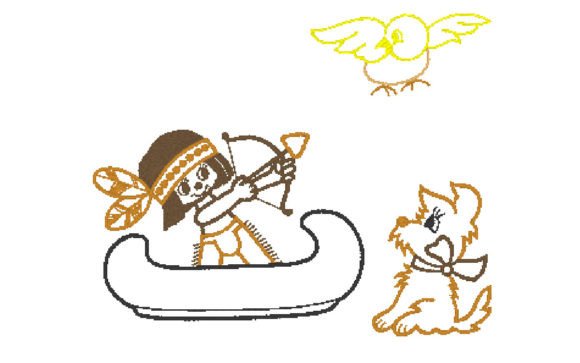
The Hunter Embroidery Design Review
When I pull a new digital embroidery file into my design software, I am always looking for that specific spark—the moment where the vector lines translate into something that feels tangible and desirable. The Hunter is one of those designs that immediately catches the eye, not because it is overly complex, but because it strikes a balance between rustic charm and clean execution. As someone who reviews machine embroidery designs for real-world application, I look past the pretty preview image to ask: How will this stitch? Will it hold up in the wash? Does it add value to a handmade product?
This machine embroidery design falls squarely into the Camping category, yet its appeal extends far beyond the campsite. It possesses a visual personality that works beautifully for outdoor enthusiasts, hunters, nature lovers, and anyone who appreciates a rugged aesthetic. Below is my practical evaluation of how The Hunter performs as an embroidery project for small business owners, Etsy sellers, and crafters.
First Impressions and Visual Mood
The first thing you notice about The Hunter is its strong silhouette. The design relies on bold shapes rather than delicate, fragile lines, which is a smart choice for machine embroidery. In the world of custom apparel, clarity is king. If a customer cannot recognize the motif from three feet away, the design has failed. This piece delivers instant recognition. It evokes a sense of adventure, quiet mornings, and connection with nature.
Visually, the layout feels balanced. Whether placed on the left chest of a sweatshirt or centered on a tote bag, it commands attention without overwhelming the garment. The mood is grounded and masculine-leaning, though certainly not exclusive. For personalized gift ideas, this theme resonates deeply with fathers, grandfathers, and partners who enjoy the outdoors. It creates an immediate emotional connection before the buyer even touches the fabric.
Real-World Application: Where It Shines
I have tested similar designs across various substrates, and The Hunter shows remarkable versatility. Here is where I see this embroidery file generating the most sales and satisfaction:
- Sweatshirt Embroidery: This is perhaps the strongest use case. A heavyweight cotton fleece sweatshirt paired with this design creates a classic, durable look. The contrast of the thread against the textured fabric enhances the fabric texture, making the stitches pop.
- Tote Bag Design: Canvas totes are a staple for Etsy sellers. This design fits perfectly on a standard canvas grocery tote or a specialized hiking pack. It suggests utility and style, appealing to the modern crafter.
- Embroidered Patch: Because of its contained shape, The Hunter translates exceptionally well as a detachable patch. These are high-margin items when sold separately or attached to denim jackets and beanies.
- Kitchen Towels and Aprons: Don’t overlook the home goods market. A tea towel featuring this motif adds a rustic touch to a farmhouse-style kitchen. It serves as a great holiday embroidery item for hostess gifts.
- Baby Embroidery: While the theme is rugged, smaller executions work well on baby onesies or burp cloths for parents who want to pass on their love for the outdoors. It softens the "hunter" vibe into something gentle and familial.
Technical Performance and Stitching Clarity
From a technical standpoint, the success of any digital embroidery file depends on how well it handles different stitch types. The Hunter appears to utilize a mix of fill stitches for the main body and likely satin or running stitches for outlines and fine details. This combination ensures that the design does not look flat.
However, the effectiveness of these stitches relies heavily on your setup. The stitch density must be appropriate for the fabric weight. If the design is too dense for a thin t-shirt, it will pucker. If it is too sparse for a heavy canvas, it may lack definition. I strongly advise checking the hoop size requirements before starting production. Ensuring the design fits comfortably within your machine’s working area prevents awkward re-hooping and maintains consistency across multiple units.
Thread color selection is critical here. The design likely relies on contrast to define its shapes. On dark fabrics, light thread colors will provide sharp visibility, while on light fabrics, darker threads will ground the image. Always test your thread colors on scrap fabric that matches your final product material. This step saves time and reduces waste.
Areas Requiring Careful Consideration
No design is perfect for every scenario. There are specific situations where The Hunter might present challenges:
- Small Hoop Sizes: If you are working with very small hoops, intricate details may become muddy. Ensure the smallest elements of the design remain legible at the reduced scale.
- Textured or Stretchy Fabrics: While the design holds up well on stable materials, highly textured fabrics like bouclé or very stretchy knits can distort the stitch path. Use a proper stabilizer to support the fabric and prevent shifting.
- Curved Surfaces: Applying this to caps or curved hat fronts requires careful positioning. The flat nature of the design needs a relatively flat surface to maintain its integrity. On highly curved areas, the edges may not lay smoothly.
- Dense Stitch Areas: If the design contains large blocks of fill stitch, ensure your machine needle and thread are suited for the task. Using the wrong needle type can lead to thread breaks or inconsistent tension.
Impact on Product Value and Brand Consistency
For craft business owners, the quality of the embroidery directly impacts perceived value. A poorly executed design looks cheap, regardless of the base product quality. The Hunter, when stitched correctly, elevates the finished product. It signals professionalism and attention to detail.
Consistency is key for building brand trust. By using a design with clear lines and strong imagery, you create a recognizable aesthetic. Customers associate the quality of the stitching with the reliability of your brand. When buyers receive a finished product that looks crisp and professional, they are more likely to leave positive reviews and return for future purchases.
Practical Designer Notes for Success
Before adding The Hunter to your production line, follow these steps to ensure the best results:
- Test on Scrap Fabric: Never run a full production batch without a test stitch. Check for puckering, thread tension, and color accuracy.
- Inspect Small Details: Zoom in on your screen and inspect the smallest corners. Are there tiny isolated stitches that might not catch the fabric? These can fray over time.
- Black and White Mockups: Convert your design to black and white in your editing software. This helps you evaluate the contrast and balance without being distracted by color choices.
- Check Licensing: Confirm whether the license allows for commercial use. Selling small shop products requires explicit permission to embroider and sell the finished items.
- Use Proper Stabilizer: Match your stabilizer to your fabric. Cut-away stabilizers are generally best for garments that will be washed frequently, while tear-away may suffice for single-use items.
In conclusion, The Hunter is a versatile, visually appealing machine embroidery design that offers strong potential for various handmade products. Its rugged yet clean aesthetic makes it suitable for a wide range of customers, from serious outdoorsmen to casual gift shoppers. By paying attention to technical details like stitch density, stabilizer choice, and fabric compatibility, you can transform this digital asset into a profitable, high-quality physical product. It is a solid addition to any design assets library focused on outdoor and lifestyle themes.