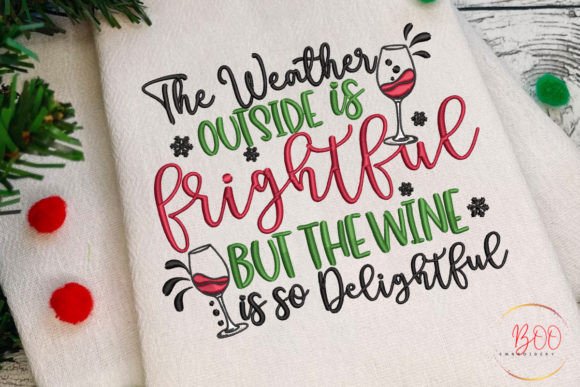
The Weather Outside is Frightful: A Designer’s Review
As an experienced embroidery designer who has spent years translating digital concepts into tangible, tactile brand assets, I approach every new machine embroidery design with a critical eye. We are not just looking for pretty pictures; we are evaluating potential revenue streams, customer satisfaction, and brand integrity. Today, I am reviewing The Weather Outside is Frightful, a design that promises to be the perfect way to decorate beautiful projects for clothes, home decor, or birthday gifts. But does it hold up under the scrutiny of small business production? Can it serve as a viable asset for branded patches, uniforms, and merchandise?
First Impressions and Visual Personality
When I first pulled up The Weather Outside is Frightful, my immediate assessment focused on its versatility and tone. The title suggests a playful, slightly rustic charm that leans heavily into the cozy, nostalgic aesthetic of the holiday season. For a small business owner—whether you run a boutique, a handmade shop, or a creative studio—this design feels approachable yet professional. It avoids being overly cluttered, which is crucial for maintaining visual clarity when scaled down.
The design appears to balance boldness with delicacy. In the world of embroidery file usage, there is a fine line between a design that pops and one that becomes a muddy mess of thread. Based on the description, this piece seems to favor a clean layout that would translate well across various mediums. It feels premium enough for high-end gift items but friendly enough for casual staff uniforms. This duality is exactly what makes a design asset valuable for a diversified product line.
Real-World Business Applications
Let us move beyond the screen and look at how The Weather Outside is Frightful performs in real business use. Small businesses thrive on consistency and recognition. Here is where this design shines:
- Embroidered Patches: One of the most profitable avenues for embroidery files is the creation of iron-on or sew-on patches. This design’s structure likely lends itself well to patch production. Whether sold individually or attached to denim jackets, beanies, or tote bags, it offers a distinct visual marker that customers love to collect.
- Staff Uniforms and Aprons: For cafes, bakeries, or florists, branding your team is essential. Placing The Weather Outside is Frightful on the chest of a work shirt or the pocket of an apron adds a touch of personality without compromising professionalism. It signals warmth and hospitality, enhancing the customer experience before they even place an order.
- Caps and Hats: Cap embroidery is a staple for merch creators. The compact nature of many cap designs requires a motif that remains legible from a distance. If this design features strong outlines and adequate spacing, it will stand out on trucker hats or structured caps, serving as excellent mobile advertising for local events or markets.
- Tote Bag Designs: Eco-friendly shopping bags are another canvas where this design excels. A large-scale application on a canvas tote can make a statement piece, while a smaller placement near the handle can serve as a subtle brand accent. It fits seamlessly into the lifestyle branding popular among Etsy sellers and craft business owners.
- Product Packaging Accents: Do not overlook the unboxing experience. Sewing a small version of this design onto hang tags, garment bags, or custom labels elevates the perceived value of your handmade product. It shows attention to detail that customers notice and appreciate.
Strategic Brand Identity and Customer Trust
Using The Weather Outside is Frightful strategically impacts your brand identity. Consistency builds trust. When a customer sees your logo paired with complementary, high-quality design elements like this, it reinforces the idea that your brand cares about quality. It enhances visual consistency across your product range, making your small business merch instantly recognizable. Furthermore, festive or seasonal designs like this can drive engagement during peak shopping periods, boosting sales and keeping your brand top-of-mind.
Where to Use with Caution
While this design has strong potential, an experienced designer knows that execution is everything. There are specific scenarios where The Weather Outside is Frightful might struggle if not handled correctly:
- Small Patch Sizes: If you plan to produce patches smaller than two inches, you must scrutinize the detail level. Tiny lettering or intricate outlines may become illegible or prone to thread breaks. Always test at actual size before committing to bulk production.
- Curved Surfaces: Embroidering on curved surfaces like cap fronts or rounded bottle koozies requires precise digitizing. If the design lacks proper anchoring stitches or has uneven density, it may pucker or distort on these challenging fabrics.
- High Stitch Density: Designs with high stitch counts can feel stiff and heavy on delicate fabrics. Ensure your fabric choice matches the weight of the embroidery. On lightweight cotton or silk, a dense design might overwhelm the material, whereas on sturdy denim or canvas, it will sit perfectly.
- Dark Uniforms: Thread color contrast is paramount. If your uniforms are dark navy or black, ensure the primary colors in The Weather Outside is Frightful provide sufficient contrast. Light threads on dark backgrounds can sometimes appear washed out depending on the lighting conditions.
- Frequent Washing: For items like aprons or work shirts that undergo frequent industrial washing, inspect the stability of the design. Poorly anchored edges or loose backings can lead to fraying over time, damaging your brand’s reputation for durability.
Practical Notes for the Embroidery Designer
Before adding The Weather Outside is Frightful to your commercial inventory, follow these essential steps to ensure a flawless finished product:
- Test in Black and White: Convert the design to grayscale to check for contrast issues. This helps identify areas where thread colors might blend together unintentionally.
- Check Small Scale Legibility: Zoom out or print a small mockup to see if the key elements remain distinct. If the text becomes unreadable, consider simplifying the digitizing or adjusting the font size.
- Review Thread Color Contrast: Select thread colors that complement your target fabric. High contrast usually yields the best results for branding purposes.
- Inspect Spacing and Density: Look for overlapping stitches that might cause needle breaks or fabric distortion. Adequate spacing ensures a clean, professional finish.
- Confirm Hoop Size: Verify that the design fits within standard hoop sizes if you are producing on multiple machines. This affects your production flexibility.
- Test on Real Fabric: Digital screens do not show texture. Always stitch a sample on the actual fabric you intend to use to assess puckering, stretch, and final appearance.
- Use Proper Stabilizer: The right stabilizer can mean the difference between a crisp logo and a warped mess. Choose based on fabric type and design complexity.
- Create a Printable Mockup: Before manufacturing, create a realistic mockup for client approval or marketing materials. This helps visualize the final product and aids in sales.
- Compare with Other Assets: Place this design beside your existing brand logos and other design assets to ensure visual harmony and consistency.
- Confirm Commercial Licensing: Most importantly, verify the licensing terms of the digital embroidery file. Ensure you have the right to sell products made with this design commercially. If the license is unclear, assume it is restricted until proven otherwise.
In conclusion, The Weather Outside is Frightful offers a charming, versatile option for small business owners looking to expand their custom apparel and merchandise offerings. By carefully considering its application, testing thoroughly, and respecting licensing agreements, you can turn this design into a profitable and professional addition to your brand portfolio. Remember, the success of any embroidered patch or apron embroidery project lies in the details—from stitch density to stabilizer choice. Treat each project with care, and your customers will reward you with loyalty and repeat business.