Caged Flower Border Embroidery Review
As an embroidery designer who spends most of my days testing files and refining stitch patterns, I approach every new design with a mix of excitement and skepticism. When I first pulled up the Caged Flower Border, I knew immediately that this was not just another generic floral pattern. It is an abstract floral ornament designed to give fabrics an extraordinary look, but does it translate well into real-world personalized gifts? In this review, I am putting the Caged Flower Border through its paces to see if it deserves a spot in your machine’s library for upcoming customer orders.
First Impressions: Mood and Aesthetic Appeal
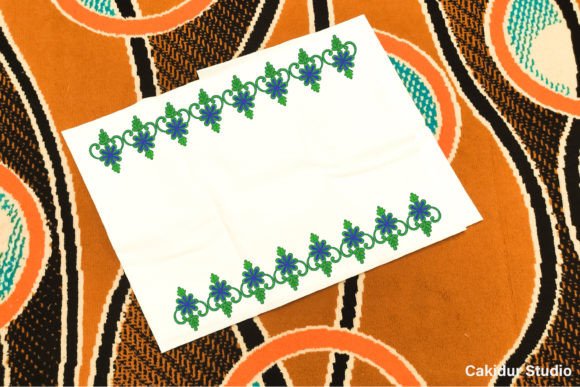
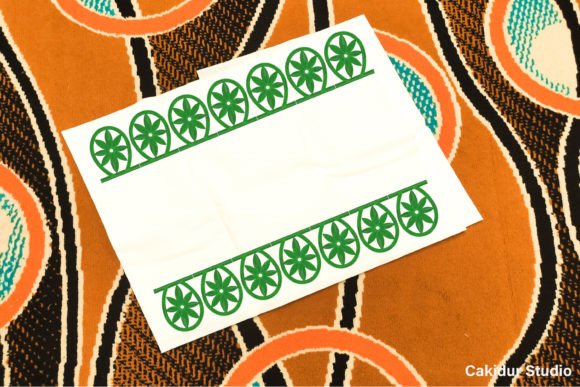
The moment you load the file, the charm of the Caged Flower Border becomes apparent. Unlike traditional, overly detailed roses or lilies that can sometimes feel dated, this design offers a modern, abstract take on florals. The "caged" aspect suggests structure and elegance, creating a sophisticated frame that feels both contemporary and timeless. It strikes a perfect balance between sweet and elegant, making it incredibly versatile for various gift categories.
For makers looking to create high-end handmade products, this design brings an immediate sense of quality. It feels romantic yet clean, which is essential for today’s market where buyers often seek items that are visually striking but not cluttered. Whether you are designing for a baby shower or a wedding registry, the Caged Flower Border carries enough emotional weight to be considered a premium addition to any collection.
Ideal Applications for Personalized Gifts
One of the most common questions I get from fellow Etsy sellers and small business owners is, "Where should I use this?" The beauty of the Caged Flower Border lies in its adaptability as a border element. It is not necessarily meant to cover an entire surface but to accentuate edges, hems, and frames. Here is how I recommend applying it to specific product lines:
- Baby Blankets and Nursery Decor: This design works beautifully on the hem of a receiving blanket or along the edge of a crib sheet. The abstract nature makes it gender-neutral enough to appeal to a broad audience, while the floral motif adds a touch of softness. It creates a lovely focal point when paired with simple monograms in the center.
- Kitchen Towels and Aprons: For the home cook, the Caged Flower Border adds a pop of personality to plain linen or cotton towels. Placing it at the bottom hem or across the top pocket area elevates a basic utility item into a thoughtful housewarming gift. It pairs exceptionally well with rustic or farmhouse-style decor themes.
- Wedding Keepsakes and Tote Bags: Imagine a custom tote bag for bridesmaids featuring the Caged Flower Border framing the bride’s initials. The structured look of the cage design mimics the elegance of lace without the fragility, making it durable for everyday use. It also serves as a stunning accent on pillow covers used as wedding favors.
- Custom Apparel and Accessories: While less common, using this border on the cuff of a child’s dress or the strap of a canvas bag can create a unique, boutique-level finish. It transforms mass-produced blanks into one-of-a-kind custom embroidery pieces.
Strategic Considerations and Potential Pitfalls
While the Caged Flower Border is visually appealing, no design is perfect for every application. As a professional, I advise caution in certain scenarios to ensure customer satisfaction and avoid costly reworks.
First, consider the fabric texture. Because this is an abstract floral ornament, fine details might get lost on heavily textured fabrics like thick terry cloth or chunky knits. If you plan to embroider on a plush towel or a thick fleece blanket, the definition of the "cage" elements may blur. Similarly, stretchy baby clothes can distort the geometry of the border if not stabilized correctly, leading to puckering.
Dark fabrics present another challenge. Abstract designs often rely on contrast to show their shape. On dark backgrounds, you may need to use a heavy underlay or light-colored stabilizer backing to prevent the design from sinking into the fabric. Always test on scrap fabric before committing to a final product.
Additionally, be mindful of hoop size limitations. If your customer requests a very large border on a wide duvet cover, you may need to digitize the design into multiple panels or use a larger hoop setup. Ensure that the stitch density is appropriate for the fabric weight; too much density on lightweight voile can cause visible distortion, while too little on denim might look sparse.
Enhancing Giftability and Perceived Value
In the world of online selling, particularly on platforms like Etsy, photography and presentation are everything. The Caged Flower Border is highly photogenic. Its structured lines photograph well against neutral backgrounds, allowing the intricate details to stand out in close-up shots. This visual clarity helps build trust with potential buyers who cannot touch the product physically.
When you showcase finished products featuring this design, emphasize the "handmade" quality. Customers are willing to pay a premium for personalized gifts that feel crafted with care. By highlighting how the Caged Flower Border frames names, dates, or special messages, you create an emotional connection. It transforms a simple embroidered towel into a cherished family keepsake or a meaningful wedding gift.
Furthermore, using consistent, high-quality designs like this one helps establish your brand identity. Buyers recognize the style and associate it with reliability and taste. This consistency encourages repeat purchases and positive reviews, which are crucial for growing a small shop.
Practical Embroidery Notes for Makers
To get the best results from the Caged Flower Border, follow these practical tips during your production process:
- Test on Scrap Fabric: Never run a new design directly onto a customer’s garment. Always stitch a test sample to check for tension issues, thread breaks, or alignment problems.
- Check Thread Color Contrast: Abstract designs depend on clear visibility. Use thread colors that contrast sufficiently with the base fabric. Light threads on light fabrics or dark threads on dark fabrics can render the design invisible.
- Confirm Hoop Size and Placement: Measure your hoop accurately. If the border is intended to wrap around a corner, ensure your hooping method allows for smooth transitions without distorting the fabric.
- Use Proper Stabilizer: The choice of stabilizer is critical. For woven fabrics, cut-away stabilizer provides long-term support. For knits or stretchy materials, tear-away or wash-away stabilizers might be more appropriate, depending on the desired finish.
- Review Stitch Density: Check the digitizing file for dense areas. If the design feels too heavy, consider reducing the number of fill stitches or adjusting the pull compensation to prevent fabric distortion.
- Verify Commercial Licensing: Before selling finished products, double-check the license terms included with the digital embroidery file. Ensure you have the right to sell physical items made with the Caged Flower Border.
By keeping these factors in mind, you can maximize the potential of the Caged Flower Border. It is a versatile, elegant, and emotionally resonant design that can significantly enhance your personalized gift offerings. Whether you are creating baby blankets, kitchen textiles, or wedding accessories, this border adds a layer of sophistication that customers love. Take the time to test it thoroughly, experiment with different thread palettes, and watch your handmade product line thrive.