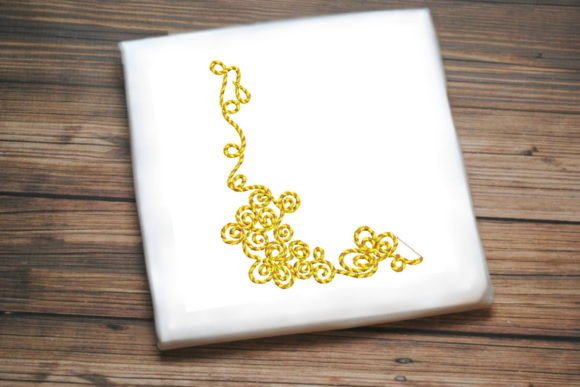
Yellow Flower Border Design Review
As an embroidery designer who has spent years turning digital concepts into tactile brand assets, I look at every new file with a critical eye. We aren’t just stitching pretty pictures; we are building brand identity through thread. Today, I am reviewing the Yellow Flower Border, a design that promises to be fun, elegant, and easy to stitch. But does it hold up under the pressure of commercial application? For small business owners, Etsy sellers, and merch creators, the difference between a hobbyist project and a sellable product lies in execution, versatility, and professional finish.
This review focuses on how this embroidery design performs when applied to real-world merchandise. Whether you are running a boutique café, a handmade jewelry shop, or a creative studio, understanding the nuances of this border is essential before you commit to production runs.
First Impressions: Personality and Aesthetic
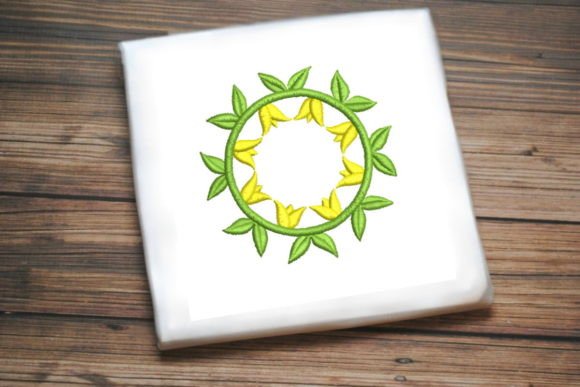
The moment you load the Yellow Flower Border into your digitizing software, the first thing you notice is its approachable energy. The description highlights that it is "fun and easy to stitch," which immediately suggests a lower barrier to entry for both novice operators and seasoned technicians. Visually, the design strikes a balance between rustic charm and modern elegance. It feels organic rather than rigid, making it ideal for brands that want to convey warmth, creativity, and a handmade touch.
In the context of brand identity, yellow is a powerful color. It signals optimism, clarity, and attention. When paired with floral motifs, it softens the corporate edge often found in uniforms or promotional items. This isn’t a stark, minimalist logo; it is a decorative accent that adds personality. For a florist, a bakery, or a pet brand, this aesthetic aligns perfectly with customer expectations. However, for businesses seeking a severe, high-fashion, or tech-focused look, this design might feel too playful. You must weigh the visual personality against your target audience’s preferences.
Commercial Applications: Where It Shines
One of the most valuable aspects of a border design is its adaptability. Unlike a central monogram, a border can frame, accent, or wrap around existing elements. Here is how I see the Yellow Flower Border performing across various small business merch categories:
- Embroidered Patches: Borders are naturally suited for patch construction. The continuous line creates a defined edge that looks clean when cut out and ironed on. Imagine a leather or felt backing with this yellow floral edge framing a simple text logo for a local coffee shop. It elevates a standard patch into a premium accessory.
- Apron Embroidery: For bakers, baristas, and crafters, aprons are walking billboards. Stitching this border along the neckline or hemline adds a polished, finished look without overwhelming the garment. It frames the wearer’s chest area where logos are typically placed, drawing the eye inward while adding decorative flair.
- Cap Embroidery: Curved surfaces like caps present a challenge for borders. However, if used as a subtle accent along the brim’s edge or as a secondary element behind a main logo, the Yellow Flower Border can add a unique selling point. It differentiates your branded caps from the sea of plain embroidered hats.
- Tote Bag Design: Canvas tote bags are staples for Etsy branding. A border stitched down the side or across the bottom of a tote bag transforms a basic item into a fashion statement. The contrast of bright yellow thread against natural canvas or black cotton will make the finished product pop in photos and social media feeds.
- Product Packaging Accents: Don’t limit this to apparel. If you use fabric tags or gift boxes with fabric inserts, this border can serve as a decorative trim. It reinforces the handmade product narrative and increases perceived value.
Strategic Placement and Brand Trust
When customers interact with physical merchandise, they subconsciously evaluate quality. A well-executed embroidered patch or uniform detail builds trust. It tells the buyer that you care about details. The Yellow Flower Border contributes to this by offering a sense of completeness. It acts as a visual container for your brand message.
Consider the psychological impact. A chaotic design can signal disorganization, whereas a clean, elegant border signals professionalism. Because this design is described as "elegant and gorgeous," it supports a premium positioning. When used consistently across design assets—from staff uniforms to customer gifts—you create a cohesive visual language. This consistency is key to customer recognition. Over time, customers will associate that specific floral motif with your brand’s values of quality and care.
Technical Considerations for Production
As a designer, I cannot stress enough that aesthetics mean nothing without technical viability. Before you approve this digital embroidery file for mass production, you must address several practical concerns. These notes are drawn from experience with similar border designs and general best practices in machine embroidery.
- Test in Black and White: Always view the design in grayscale first. This helps you assess the balance and spacing without the distraction of color. Ensure the negative space within the flowers is sufficient so the design doesn’t become muddy.
- Check Stitch Density: High stitch density can cause puckering, especially on lightweight fabrics or curved surfaces like caps. Verify the stitch count per square inch. If the design is too dense, it may require a heavier stabilizer or a change in fabric choice.
- Thread Color Contrast: Yellow can be tricky on light fabrics. On white or cream backgrounds, you may need a contrasting thread color or a backing layer to ensure visibility. Test multiple thread shades to find the one that offers the best legibility and vibrancy.
- Hoop Size and Fabric Texture: Confirm the required hoop size fits your garment. Some borders are large and may not fit on a standard 4x4 hoop. Additionally, test on the actual fabric texture you plan to use. Rough burlap requires different tension settings than smooth satin.
- Stabilizer Selection: Using the proper stabilizer is non-negotiable. For borders, tear-away or cut-away stabilizers are common choices depending on the fabric’s stretch. A poor choice here leads to distortion, ruining the elegance of the design.
- Create a Printable Mockup: Before stitching dozens of samples, create a printable mockup to show clients or stakeholders. This allows for approval on placement and scale without wasting thread and fabric.
- Confirm Commercial Licensing: Finally, always verify the licensing terms. Ensure you have the right to use this commercial embroidery design for resale purposes. Infringing on intellectual property can lead to serious legal issues for your business.
Final Verdict
The Yellow Flower Border is a versatile asset for any embroiderer looking to add a touch of whimsy and elegance to their custom apparel and merchandise. It excels in creating a friendly, professional image for small businesses that value craftsmanship. By paying close attention to technical details like stitch density, stabilizer use, and thread contrast, you can transform this simple border into a powerful tool for brand building. Test it thoroughly, compare it beside other design assets, and integrate it strategically into your product line. When done right, it doesn’t just decorate; it sells.