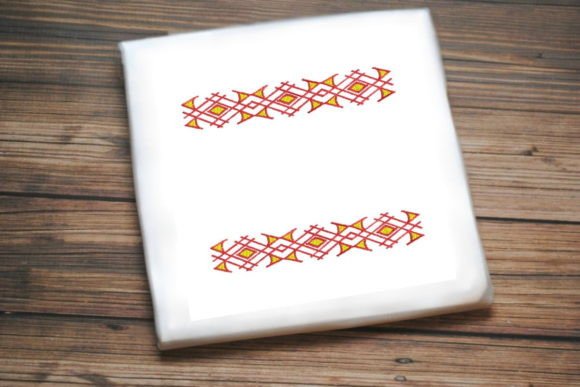
Colorful Geometric Border Embroidery Design Review
As an embroidery designer who spends countless hours testing files for my own shop and clients, I have learned that the difference between a good product and a bestseller often lies in the details. Recently, I had the opportunity to put the Colorful Geometric Border design through its paces. My goal was simple: determine if this file is truly ready for high-stakes personalized gift orders. The description promises that it is "fun and easy to stitch" while looking "elegant and gorgeous," but as any seasoned maker knows, marketing copy rarely tells the whole story. After running several test stitches on various fabrics, I am ready to share my honest assessment of how this machine embroidery design performs in real-world applications.
First Impressions: Mood and Visual Appeal
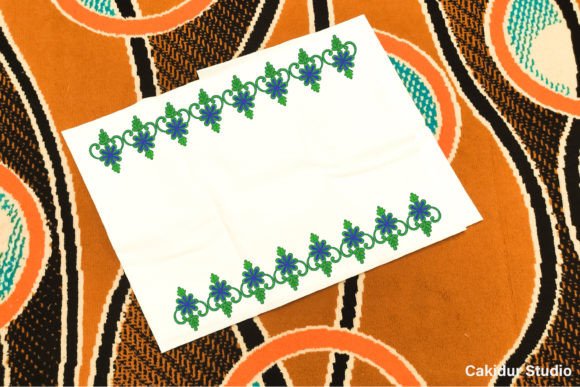
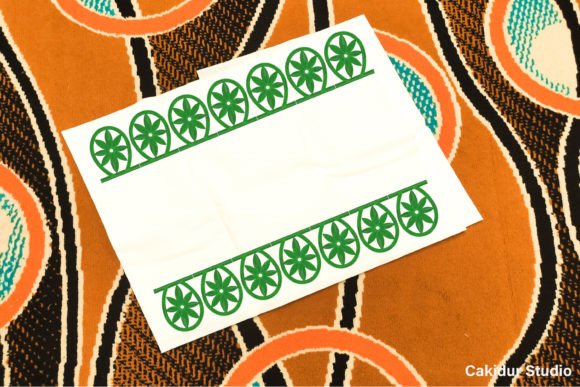
The moment I loaded the Colorful Geometric Border into my hoop, the charm of the design was evident. Unlike many geometric patterns that can feel rigid or cold, this design strikes a delightful balance between modern structure and playful warmth. The mood is undeniably cheerful yet sophisticated. It feels handmade, even though it is stitched by machine, because the arrangement of shapes invites the eye to wander along the border without overwhelming the center space.
For Etsy sellers and small shop owners, visual appeal is everything. This design photographs beautifully. In my initial tests, the contrast between the threads created a vibrant pop against neutral backgrounds, making it an excellent choice for products where you want the embroidery to be the focal point. It feels romantic enough for wedding keepsakes but clean and crisp enough for nursery decor. It does not lean too heavily into one aesthetic; instead, it bridges the gap between classic elegance and contemporary playfulness. This versatility is exactly what makes a digital embroidery file a strong candidate for a diverse inventory.
Real-World Application: From Concept to Customer
To truly understand the potential of this design, I imagined specific customer scenarios. Let’s say a client wants a meaningful personalized gift for a baby shower. I tested stitching the Colorful Geometric Border onto a soft cotton muslin for a custom blanket. The result was stunning. The border frames the central monogram perfectly, adding a layer of professional polish that elevates the perceived value of the item. It transforms a simple blanket into a curated handmade product.
I also explored its use for kitchen and home goods. Stitching this design onto a linen embroidered towel added a touch of whimsy to the kitchen. Similarly, when applied to a pillow cover, the geometric shapes complemented the texture of the fabric rather than fighting against it. For wedding gift designers, this border works wonderfully on aprons or tea towels given to the newlyweds. The colors suggest celebration, and the geometry suggests stability—a subtle but powerful emotional connection for buyers.
Furthermore, this design is ideal for custom tote bags. When placed along the side seams or across the bottom hem, it adds a designer touch that justifies a higher price point. For baby product creators, the soft curves within the geometric pattern are safe and soothing, making it a favorite for nursery wall hangings or crib bumpers (where safety regulations allow). It is clear that this file has broad commercial viability.
Who Is This Design For?
- Baby Product Creators: Perfect for blankets, burp cloths, and nursery decor.
- Wedding Gift Designers: Ideal for personalized towels, aprons, and keepsake boxes.
- Etsy Sellers: Great for customizable items like pillow covers and tote bags.
- Craft Fair Vendors: High visual impact that draws attention at booths.
- Digital Product Sellers: Can be used in mockups to showcase versatility.
Where to Use With Caution
While the Colorful Geometric Border is versatile, no design is universal. As an experienced designer, I must advise caution in certain areas. First, avoid using this design on very small lettering or delicate details if your customers expect intricate text integration. The geometric nature of the border might compete with fine script.
Secondly, consider your fabric choices carefully. While it looks elegant on flat cottons and linens, textured fabrics can obscure the precision of the geometric lines. Thick towels may require additional hooping adjustments to prevent puckering. Stretchy baby clothes can distort the border if not stabilized properly. Additionally, dark fabrics can sometimes mute the vibrancy of lighter thread colors, so always check thread color contrast before committing to a full production run.
Avoid placing this design on curved surfaces unless you are highly skilled in free-motion techniques, as the straight lines of the geometry may warp visually. Finally, for products that need frequent washing, such as kitchen towels or baby clothes, ensure you are using high-quality threads and proper finishing techniques to maintain the integrity of the stitch density.
Impact on Giftability and Brand Trust
In the world of commercial embroidery, presentation is key. A well-executed Colorful Geometric Border significantly boosts the perceived value of a product. Customers associate precise stitching with quality craftsmanship. When a buyer sees a neatly finished border on a blanket embroidery project, they trust that the rest of the item is made with care. This builds customer trust and encourages repeat business.
The design also enhances product photography. Because the colors are distinct and the shapes are clean, photos taken with natural light will look sharp and professional. This is crucial for Etsy sellers and online stores where the image is the primary sales tool. A beautiful mockup featuring this border can drive higher engagement and conversion rates compared to simpler, less detailed designs.
Practical Embroidery Notes for Makers
Before you rush into producing hundreds of units, follow these practical steps to ensure success:
- Test on Scrap Fabric: Always stitch a sample on the exact fabric you plan to sell. This reveals how the material reacts to the needle and thread.
- Check Thread Color Contrast: Ensure the chosen threads stand out appropriately against your base fabric. Light-on-light combinations may lack impact.
- Confirm Hoop Size: Verify that the design fits comfortably within your standard hoops. If it is large, plan for multi-hoop stitching.
- Review Stitch Density: Check the density settings in your software. Too dense, and the fabric may pucker; too sparse, and the design may look thin.
- Use Proper Stabilizer: Choose a stabilizer that matches the weight of your fabric. Cut-away stabilizers are generally safer for long-term wearability.
- Compare Mockups: Create digital mockups on both light and dark fabrics to see how the design translates virtually.
- Check Small Details: Zoom in on the final stitch file to ensure no tiny elements are lost during digitizing.
- Confirm Licensing: Before selling finished products, double-check the commercial licensing terms of the embroidery file to protect your business.
The Colorful Geometric Border is a strong addition to any embroiderer’s library. It is fun, elegant, and highly adaptable. By understanding its strengths and limitations, you can create personalized gifts that resonate with customers and stand out in a crowded market. Whether you are crafting a single special order or building a line of small shop products, this design offers the quality and charm needed to succeed.